
How to Write an RFQ for Custom Metal Mesh: The Information Engineers Need
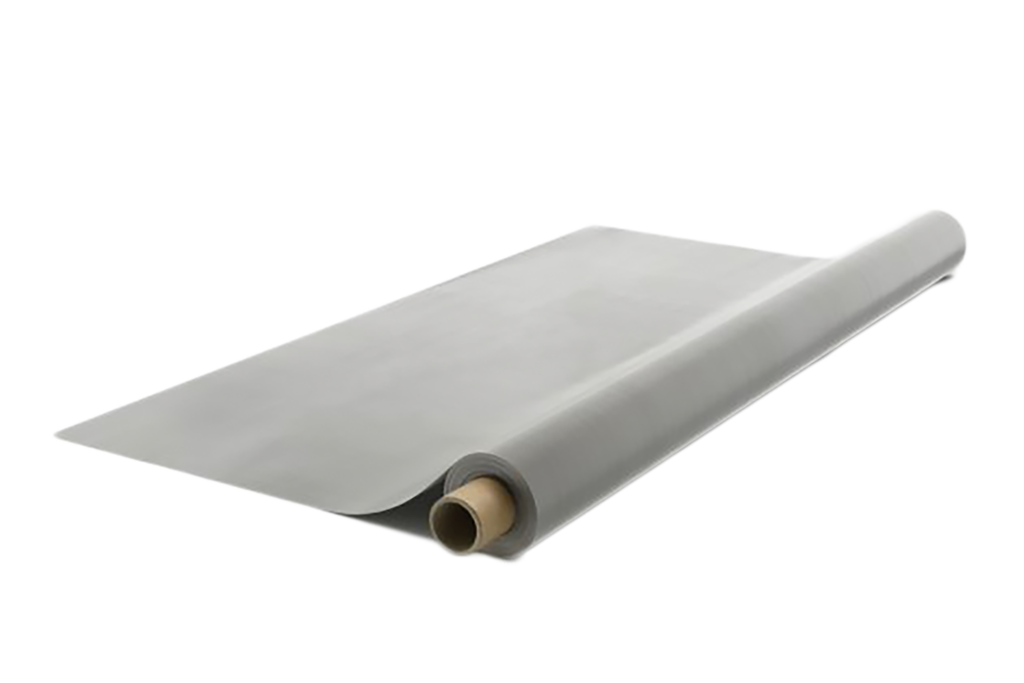
A clear RFQ gets a faster, more accurate quote. Use this checklist to specify custom woven or knitted mesh: application, material, form, quantity and drawings.
Annealing, Coating and Surface Treatment of Metal Mesh: What Each Process Does
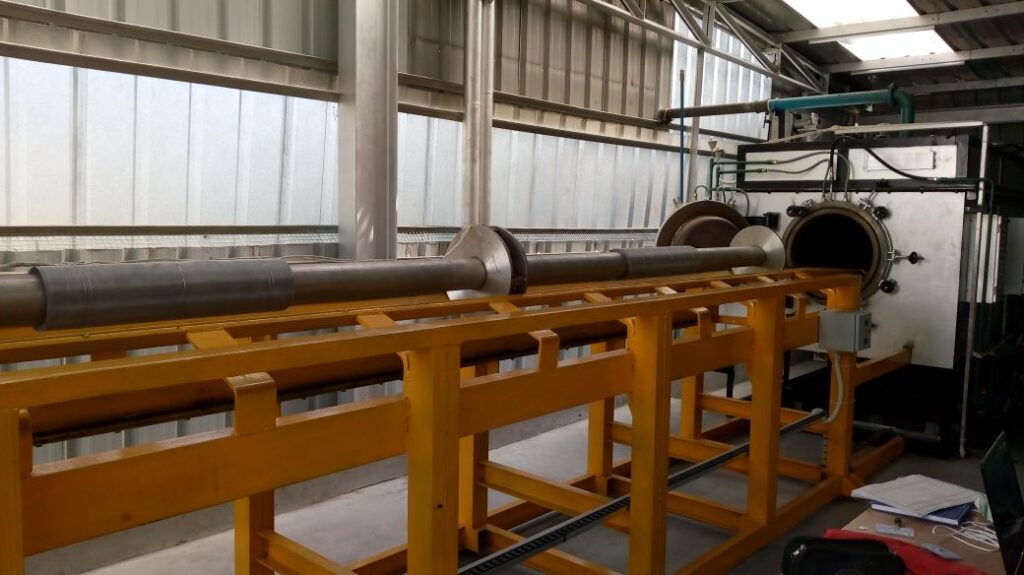
Annealing relieves stress, coatings add function and cleaning protects performance. See what each mesh treatment changes and when to specify it.
Metal Mesh in Fuel Cells: Gas Diffusion, Current Collection and Electrode Support
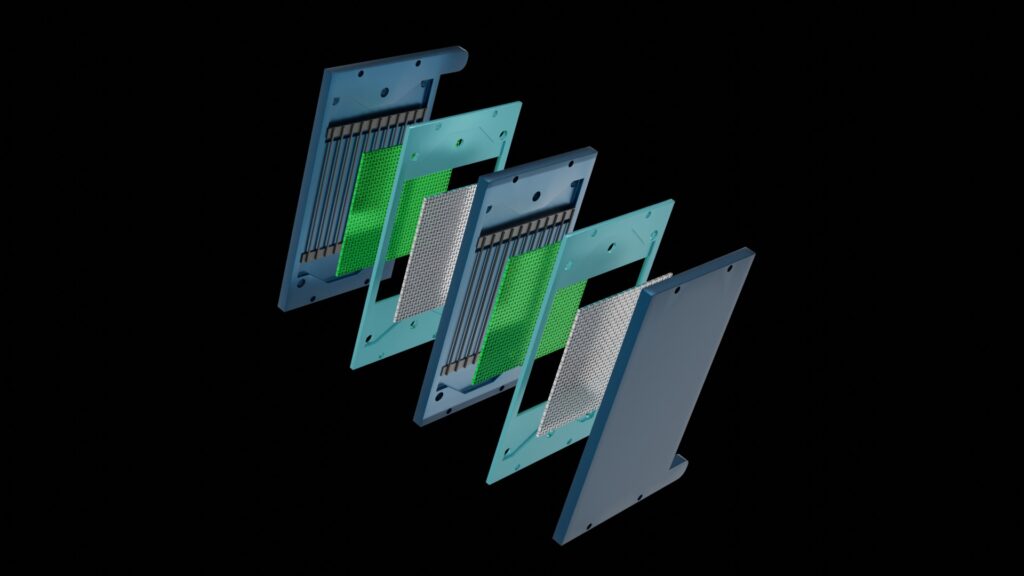
How metal mesh supports fuel cell stacks: gas diffusion, current collection and electrode support across AFC, PEM and SOFC designs.
Nickel Mesh for Alkaline Water Electrolysis: Grades, Roles and Selection
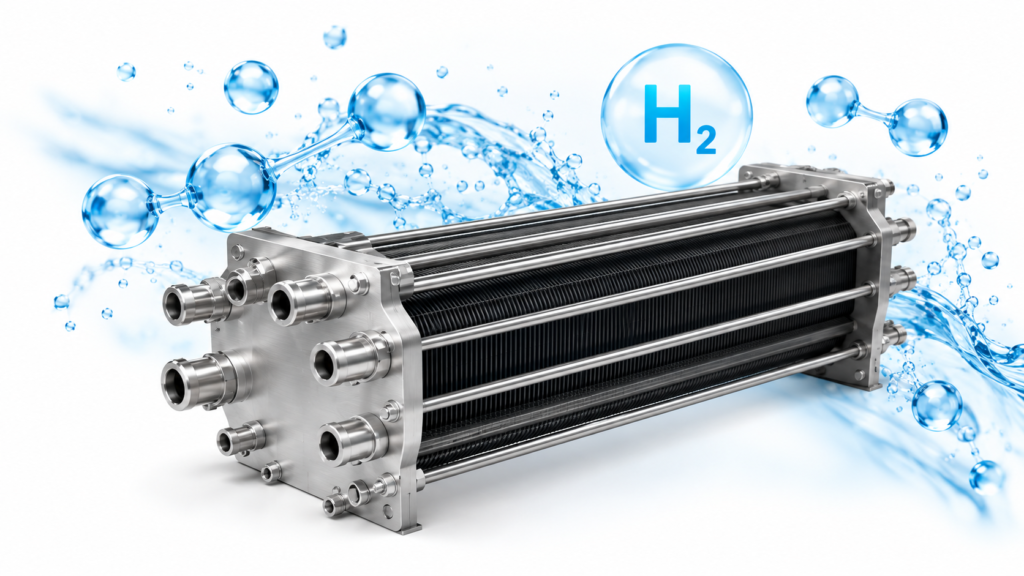
Nickel 201 and 202 mesh is widely used in alkaline electrolysers as electrode substrate and elastic element. See why nickel suits caustic service.
Choosing a Mesh Alloy for Corrosion Resistance: Stainless Steel, Nickel and Titanium

304, 316L, nickel, Hastelloy or titanium? A practical guide to matching a metal mesh alloy to chlorides, caustic, acids and temperature.
Knitted Metal Mesh in Green Hydrogen Electrolysers: Where It Fits and Why
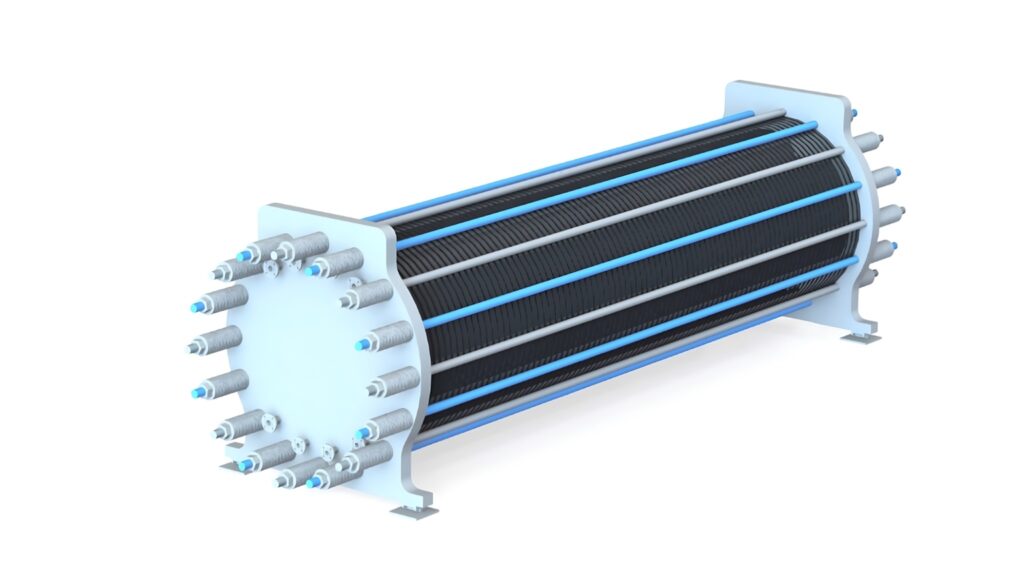
Knitted metal mesh serves electrolyser stacks as elastic elements, gas diffusion layers and separators. Learn what it does and what to specify.
Pressure Drop in Metal Filter Mesh: How Wire, Opening and Open Area Interact
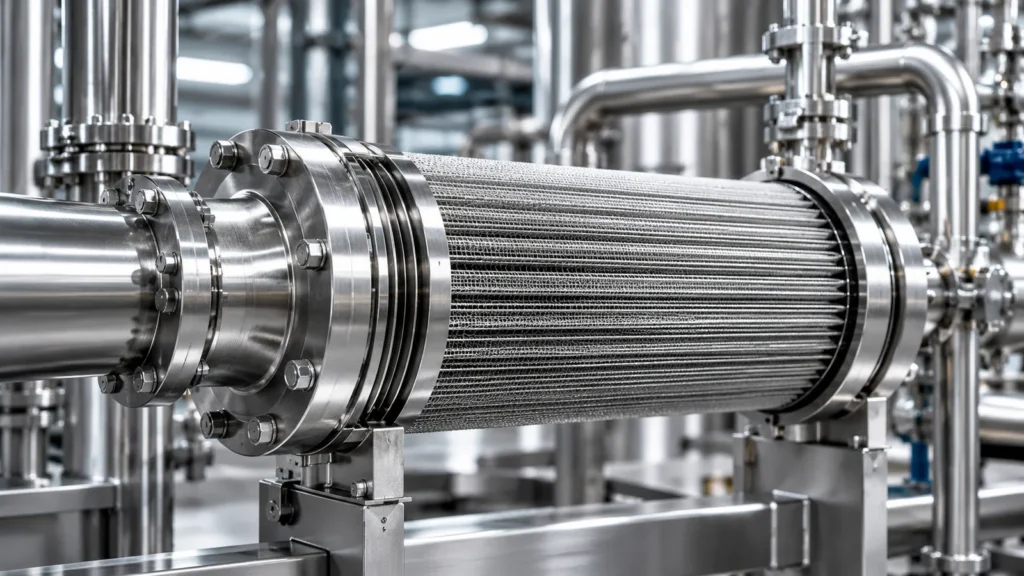
Pressure drop decides pump size, energy use and cleaning interval. See how wire diameter, aperture, open area and fouling shape it in a metal mesh filter.
Mesh Count vs Micron Rating: Reading Filtration Ratings Correctly

Mesh count, aperture and micron rating are three different ways to describe an opening. Learn how they relate and why a micron figure alone can mislead.
How to Choose the Right Metal Filter Mesh for Industrial Filtration
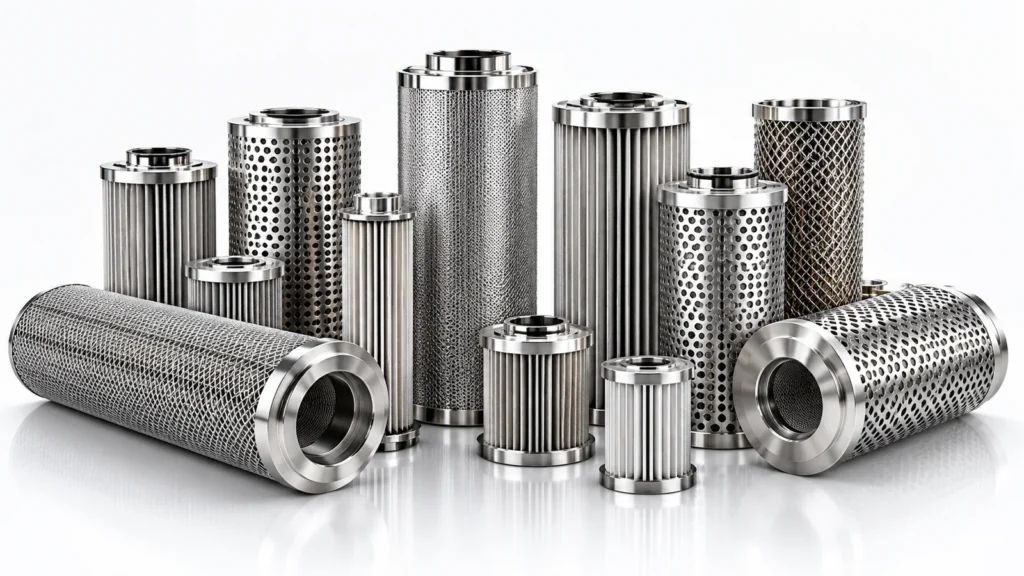
A micron number alone does not pick a filter. Six process inputs decide the right metal mesh: fluid, particles, conditions, material, form and service environment.
Woven vs Knitted Metal Mesh: Differences, Applications and How to Choose
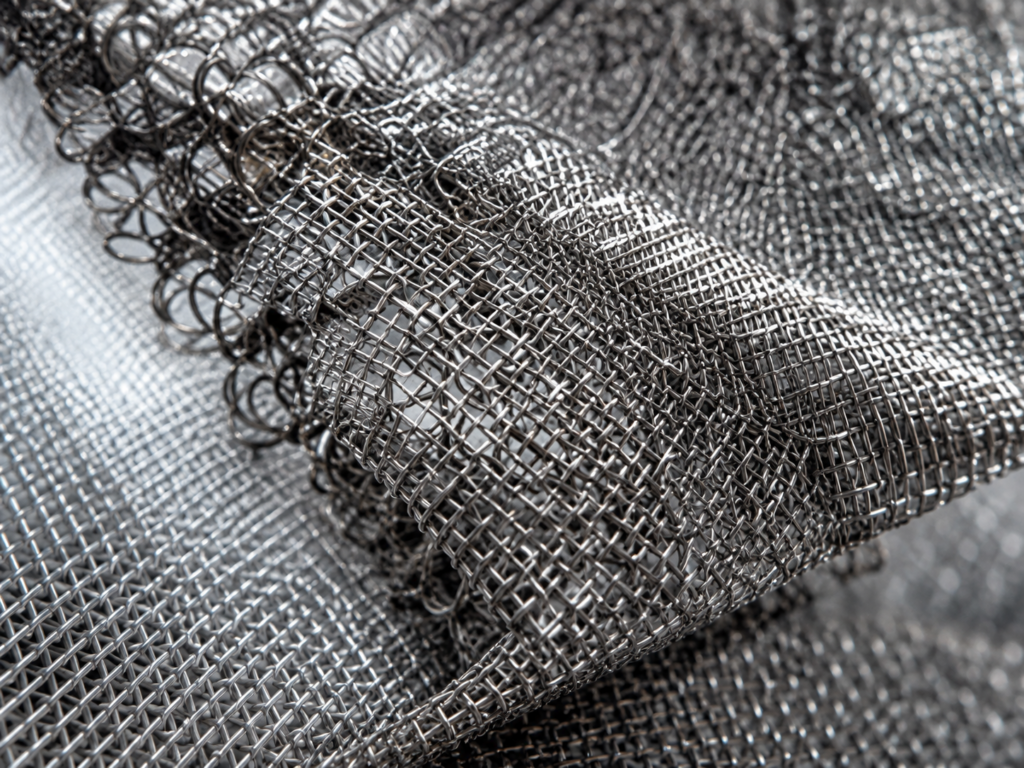
Woven mesh gives a precise, stable opening. Knitted mesh gives flexibility and compressibility. Here is how each is made and where each one belongs.